Arizona Sun Takes a Toll on Avondale Concrete Pavers
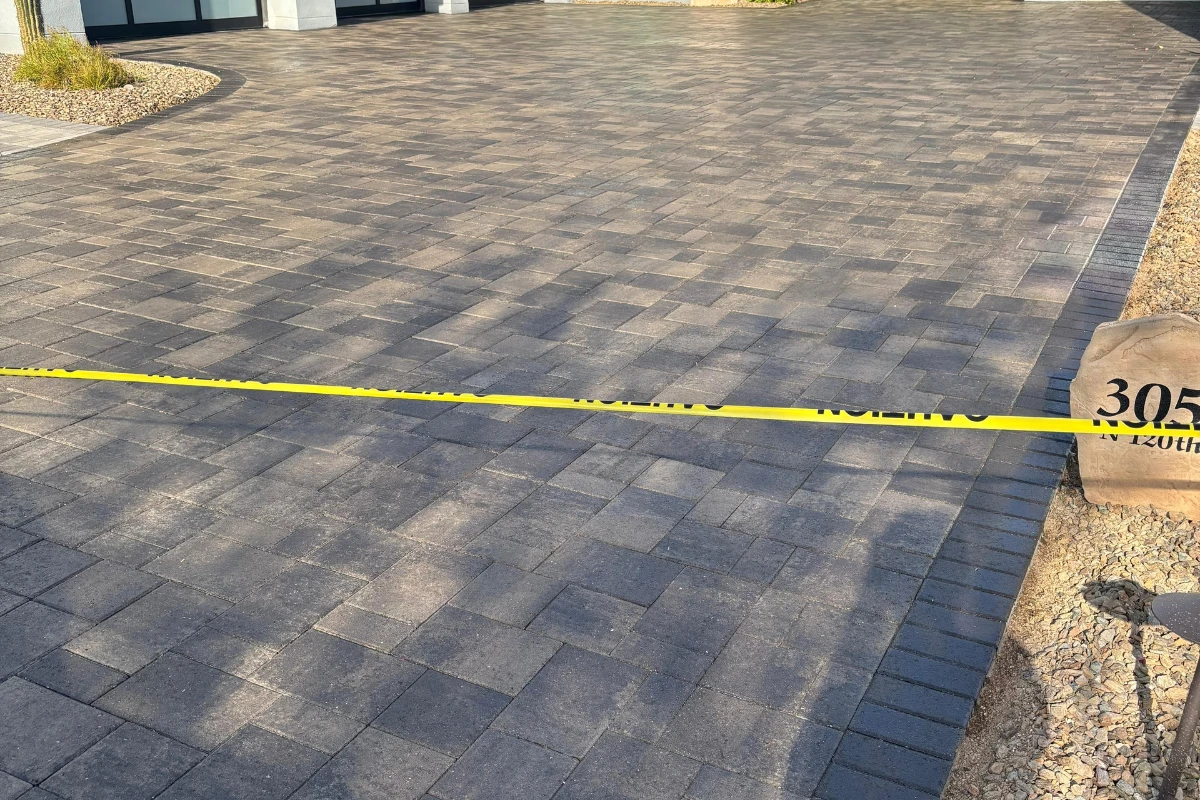
A concrete paver driveway that once had a rich, even color can gradually look pale and worn after years of exposure to the Arizona sun. In Avondale, AZ, intense sunlight, prolonged heat, windblown dust, and seasonal rain can all influence how outdoor pavers look and age.
Fading does not necessarily mean your pavers are damaged beyond repair. Sometimes the problem is accumulated dust or surface wear. Other times, the original pigments have changed or an older sealer is deteriorating. Understanding the difference helps you decide whether cleaning, resealing, or another treatment makes sense.
A professional paver sealing company can help evaluate these conditions and determine which approach fits your concrete pavers. Before deciding, it helps to understand what Arizona's climate actually does to these surfaces.
Why Arizona's Sun Changes the Appearance of Concrete Pavers
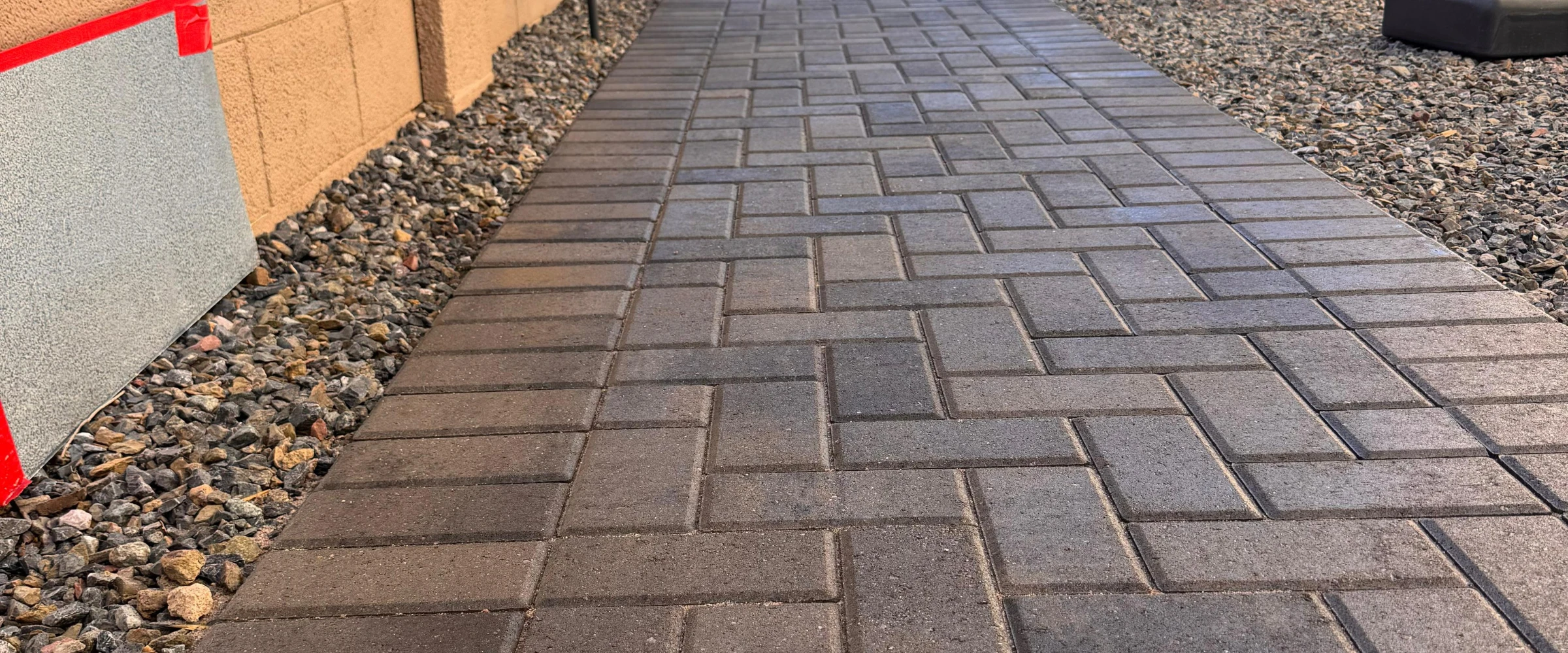
Concrete pavers are manufactured units containing cement, aggregates, and pigments that give them their color. Unlike a continuous poured concrete slab, an interlocking paver surface consists of individual pieces separated by joints.
These materials are designed for outdoor use, but their appearance can change with prolonged exposure to the elements.
UV Exposure and Gradual Color Changes
Concrete pavers spend much of their service life exposed to sunlight. In Avondale, that exposure can be particularly demanding because outdoor surfaces receive strong solar radiation throughout much of the year.
Ultraviolet radiation can contribute to changes in certain pigments and surface treatments. However, not all fading comes directly from UV exposure. Gradual wear of the cement paste at the surface may also expose more aggregate and change how the paver reflects light.
The result may be a driveway or patio that looks lighter, less uniform, or noticeably different from protected areas.
For example, pavers beneath a covered patio may retain a different appearance from matching pavers in an uncovered section of the yard. That contrast can become more obvious over time.
Heat Makes Surface Preparation and Sealing More Demanding
Concrete pavers exposed to direct sunlight can become significantly hotter than the surrounding air.
Although concrete pavers are manufactured to tolerate outdoor temperature changes, intense heat affects how cleaning and sealing products must be handled. Some coatings have strict requirements for surface temperature, application conditions, and drying time.
Applying sealer to an excessively hot surface can interfere with proper application or curing, depending on the product.
This is one reason sealing work in Avondale should be planned around the actual surface conditions rather than simply choosing the sunniest day available.
Dust and Abrasion Make Color Look Dull
Arizona's dry environment brings another challenge: airborne dust and fine particles.
Dust settles into textured concrete pavers, especially around joints and recessed areas. Foot traffic, vehicle movement, and repeated exposure to abrasive particles can gradually affect the surface appearance.
In some cases, the pavers have not lost as much color as they appear to have lost. They are simply covered in a layer of embedded grime.
A suitable cleaning process may reveal that the underlying color is still relatively consistent. However, cleaning cannot reverse pigment loss or replace material that has worn away.
How to Tell Whether Your Avondale Pavers Are Faded or Just Dirty
Before investing in sealing, identify what is actually causing the discoloration.
Several conditions can produce similar-looking results, but they require different treatments.
Uniform Fading Across Exposed Areas
If the sunniest portions of your driveway or patio have gradually become lighter while shaded sections retain deeper color, long-term weathering may be contributing to the difference.
Cleaning can remove surface contamination, but permanent changes to the paver's pigmentation or surface texture may remain.
A compatible color-enhancing sealer might improve the appearance, although it cannot permanently restore lost pigment.
Patchy or Uneven Discoloration
Uneven coloring is not always caused by sunlight.
Possible explanations include older sealer wearing inconsistently, accumulated dirt, previous cleaning treatments, or differences in surface exposure.
For example, a driveway may appear darker where vehicles regularly park and lighter along its edges. Those variations could involve tire residue, surface abrasion, or an existing coating.
The appropriate treatment depends on the cause.
White or Chalky Deposits
A pale, powdery coating may be efflorescence rather than fading.
Efflorescence occurs when soluble salts move through concrete with moisture and leave deposits on the surface as the water evaporates.
It is generally a cosmetic condition, although it can noticeably change the appearance of darker pavers.
Not every white mark is efflorescence, so identifying the residue matters before choosing a cleaning product. Using an unsuitable treatment can create additional discoloration.
Cloudy or Peeling Sealer
Previously sealed pavers may develop cloudy, whitish, or uneven-looking areas if the coating fails or moisture becomes trapped.
Applying another coat without evaluating the existing sealer may make the problem worse.
Some surfaces need specialized preparation or removal of incompatible coatings before resealing. Others may only require cleaning and a compatible maintenance application.
Can Paver Sealing Protect Concrete Pavers From the Arizona Sun?
Sealing can help reduce certain forms of weather-related wear and make concrete pavers easier to maintain. Depending on the formulation, some sealers also provide UV resistance or help preserve the appearance of colored surfaces.
However, sealing does not completely prevent fading or stop the natural aging of concrete.
A sealer creates a protective treatment with performance characteristics that depend on the product, surface condition, and application.
For an Avondale homeowner, the potential advantages may include improved resistance to certain stains, reduced absorption of some contaminants, and better retention of the desired surface appearance.
The type of sealer makes a difference.
Natural-Look Sealers
Natural-look sealers are designed to preserve much of the original appearance of the paver.
They may be suitable when you prefer a subdued finish rather than noticeably darkening the surface.
Some penetrating products provide protection with little visible change, although their resistance to specific stains and weathering conditions varies.
Color-Enhancing Sealers
Color-enhancing sealers can deepen the appearance of concrete pavers and make certain tones more noticeable.
They may appeal to homeowners whose pavers have become visually dull.
However, color enhancement is not the same as restoring original pigment. The final appearance also depends on surface wear, existing coatings, and product compatibility.
Film-Forming Sealers
Some sealers create a coating on the surface, producing finishes that range from subtle sheen to higher gloss.
These products may offer desirable appearance and protection characteristics, but they also require appropriate surface preparation and ongoing maintenance.
A glossy appearance does not automatically mean better UV resistance or longer-lasting protection. Film-forming products must also be evaluated carefully around areas where traction matters.
Why Sealing Preparation Matters in Avondale's Climate
Even a suitable sealer may perform poorly when applied to an improperly prepared surface.
The first consideration is the condition of the concrete pavers. Dirt, stains, moisture, old coatings, and loose joint material can affect how well a new treatment performs.
For previously sealed pavers, compatibility becomes especially important. A new product may not bond or behave correctly over an incompatible existing coating.
The surface also needs to meet the selected sealer's application requirements.
In Avondale, high temperatures and direct sunlight can make those conditions more difficult to achieve during certain parts of the day or year. Wind can also interfere with even application.
Careful preparation generally involves identifying the paver material, checking the existing coating, addressing contaminants, allowing the surface to dry as required, and selecting an appropriate application window.
At Super Paver Clean and Seal, our paver cleaning and sealing services are designed to address surface appearance and protection. We work with concrete pavers as well as other hardscape materials, recognizing that different surfaces require different approaches.
Not every faded patio needs immediate sealing. Sometimes cleaning is the more appropriate first step, particularly when the apparent fading is primarily dirt or surface residue.
What Happens If You Leave Faded Concrete Pavers Unsealed?
Unsealed concrete pavers are not automatically defective or at risk of immediate failure.
Many concrete paver systems perform well without a topical coating. Sealing is a maintenance choice that depends on the material, exposure, desired appearance, and homeowner's priorities.
Still, leaving pavers untreated can mean accepting certain trade-offs.
Porous surfaces may absorb spills and contaminants more readily, making some stains difficult to remove. Weathering and traffic can continue changing the visible surface.
If an older sealer has started failing, leaving it in place may also allow an uneven appearance to persist.
There is an important distinction between appearance and structural condition. Sealing cannot correct sinking pavers, serious drainage problems, or a failing installation base.
Those problems require separate attention.
For homeowners whose primary concern is fading, the most useful question is not simply whether the pavers are sealed. It is whether an appropriate treatment would produce a worthwhile improvement in the existing surface.
Keeping Concrete Pavers Looking Better Through Avondale's Seasons
Arizona's climate makes regular observation and basic upkeep useful, particularly for uncovered driveways and patios.
You do not need an elaborate maintenance routine. The goal is to remove contaminants before they become difficult to address and recognize changes that may require attention.
During Hot, Dry Weather
Regular sweeping helps remove sand, dust, and other abrasive particles. Occasional rinsing may also help, provided you follow any cleaning recommendations for the paver material and existing sealer.
Address fresh spills promptly, especially on driveways where motor oil and other vehicle fluids may contact the surface.
Avoid using harsh cleaning chemicals or excessively aggressive pressure washing to remove stubborn discoloration. Those methods can damage the surface or disturb joint sand.
After Monsoon Storms
Seasonal storms can leave dirt, debris, and sediment across outdoor hardscapes.
Once conditions are safe, inspect paver surfaces for accumulated debris, displaced joint sand, and any unusual staining.
Pay particular attention to areas where water repeatedly collects. Persistent pooling may indicate a drainage or installation issue that cleaning and sealing will not resolve.
When an Existing Sealer Starts Wearing
Watch for changes such as uneven sheen, patchy color enhancement, or a coating that begins to appear cloudy.
These conditions do not necessarily mean the entire surface needs stripping and resealing.
A closer evaluation can help determine whether routine cleaning, compatible resealing, or more extensive preparation is appropriate.
Useful Resources for Understanding Concrete Paver Care
Homeowners researching ways to preserve their concrete pavers can benefit from guidance provided by established industry organizations and manufacturers.
These resources explain how surface materials, cleaning methods, and protective treatments influence long-term appearance.
Concrete Masonry & Hardscapes Association
The Concrete Masonry & Hardscapes Association provides technical guidance on cleaning, sealing, and joint stabilization for interlocking concrete pavement.
Its information is useful for understanding how efflorescence, staining, surface preparation, and sealer selection affect concrete pavers.
Belgard
Belgard provides maintenance guidance for manufactured hardscape products.
Homeowners can learn about routine cleaning, precautions when pressure washing, joint maintenance, and considerations for applying protective sealers.
Unilock
Unilock offers practical information about concrete paver care, sealing, and appearance.
Its guidance explains how sealers may enhance color and provide additional stain resistance without being necessary for the structural integrity of every paver installation.
These resources provide general educational information. Product suitability and application requirements should always be checked against the specific pavers and coatings involved.
Frequently Asked Questions About Sun-Damaged Concrete Pavers
Can Arizona Sun Permanently Fade Concrete Pavers?
Yes. Long-term exposure to sunlight and weather, combined with gradual surface wear, can cause lasting changes in concrete paver color. Cleaning may improve the appearance by removing dirt and deposits, but it cannot reverse every form of fading.
Does Sealing Make Faded Pavers Darker?
Some color-enhancing sealers can make faded concrete pavers appear darker or richer. The result depends on the product, original pigment, surface condition, and previous coatings. Testing a small area helps establish realistic expectations.
How Often Should Concrete Pavers Be Resealed in Avondale?
There is no universal interval. Resealing needs depend on the sealer formulation, sunlight exposure, traffic, surface preparation, and maintenance history. The existing coating's condition and the manufacturer's guidance are more useful than following a fixed schedule.
Can Pressure Washing Remove Sun Damage?
Pressure washing can remove certain types of dirt and surface buildup, but it cannot reverse permanent pigment changes or physical surface wear. Excessive pressure may also expose aggregate or dislodge joint sand, so the cleaning method should suit the paver's condition.
Is It Better to Seal Concrete Pavers Before Summer?
Not necessarily. The most suitable timing depends on the product's temperature requirements, the condition of the surface, and expected weather. Summer heat may make some application windows unsuitable, while milder conditions can provide greater flexibility.
Will Sealing Stop My Pavers From Getting Hot?
Standard paver sealing should not be considered a reliable method of keeping concrete pavers cool. Surface temperature depends on factors such as color, material, sunlight, and the properties of any coating. A darker or color-enhanced finish may absorb more solar energy, depending on its characteristics.
Can I Apply New Sealer Over an Old Coating?
Sometimes, but compatibility must be confirmed first. Applying a new sealer over a failing or incompatible coating can lead to uneven appearance, adhesion problems, or cloudiness. The existing treatment may need specialized cleaning or removal before another product is applied.
Help Your Avondale Concrete Pavers Stand Up to Arizona Weather
Sun exposure is part of life in Avondale, AZ, but a faded driveway or patio does not always require replacement. The right maintenance approach starts with determining whether the visible change comes from dirt, surface wear, pigment fading, or an older coating.
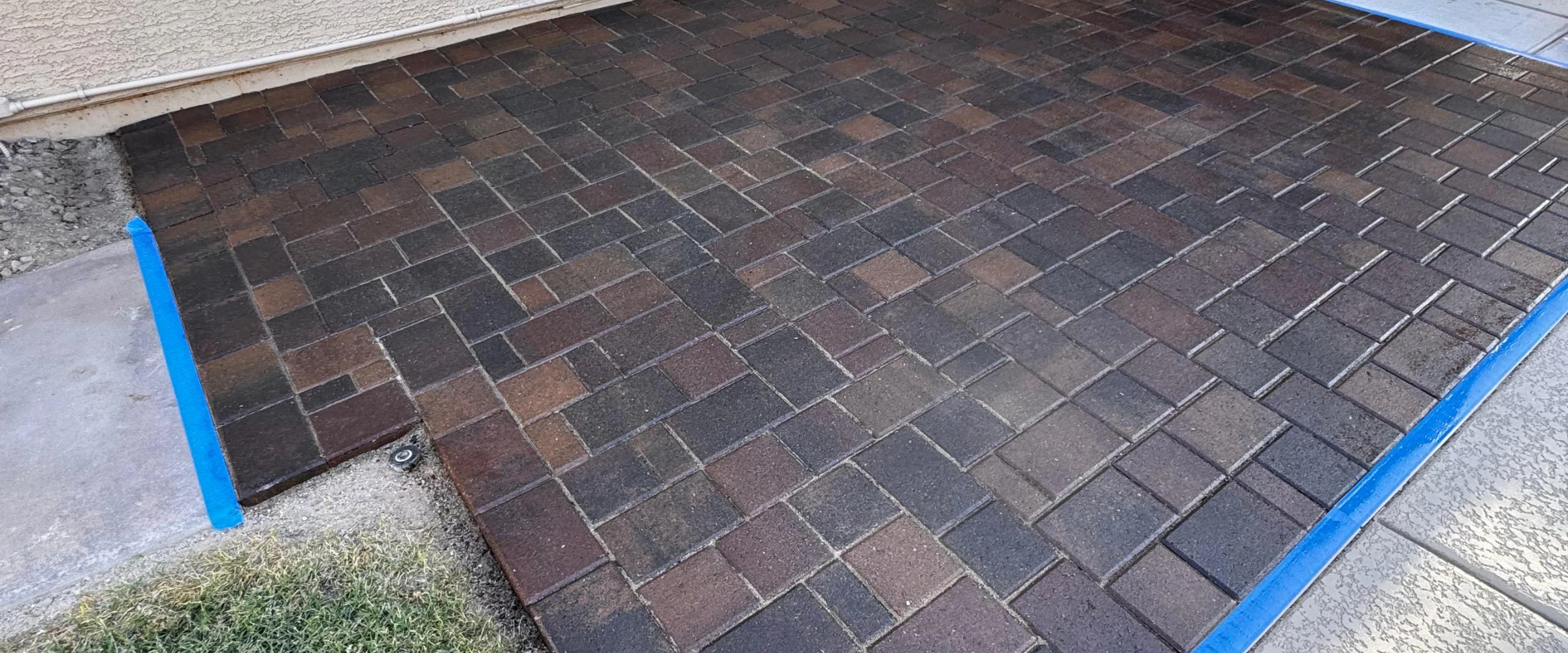
Cleaning may be enough to improve some surfaces. For others, a compatible sealer may provide additional stain resistance and help preserve the desired appearance. The key is choosing a treatment that fits the condition of the concrete pavers rather than assuming every faded surface needs the same solution.
At Super Paver Clean and Seal, we help homeowners address faded, stained, and weathered paver surfaces through cleaning and sealing services. If you are considering treatment for your driveway, patio, or walkway, our paver sealing company can help you explore the next step for your property.
Call (602) 346-9897 or contact us to discuss your concrete pavers in Avondale, AZ, and request an estimate.