Arizona Sun Is Tough on Pavers: When Avondale Homeowners Should Reseal
Arizona sunshine can transform an outdoor living space, but the same intense exposure that makes patios and pool areas enjoyable can also affect the appearance of your pavers over time. If your driveway, walkway, or patio looks faded, less vibrant, or harder to maintain than it used to, you may be wondering if it is time for resealing.
Paver sealing can help protect the appearance of many outdoor paver surfaces, but resealing is not something that should be done on a fixed schedule without considering the condition of the surface, the type of paver, the previous sealer, and the amount of sun and foot traffic the area receives.
For Avondale homeowners, understanding the signs of sealer wear and knowing what affects resealing decisions can help you avoid unnecessary work while keeping your outdoor spaces looking their best.
How Arizona Sun Affects Outdoor Pavers
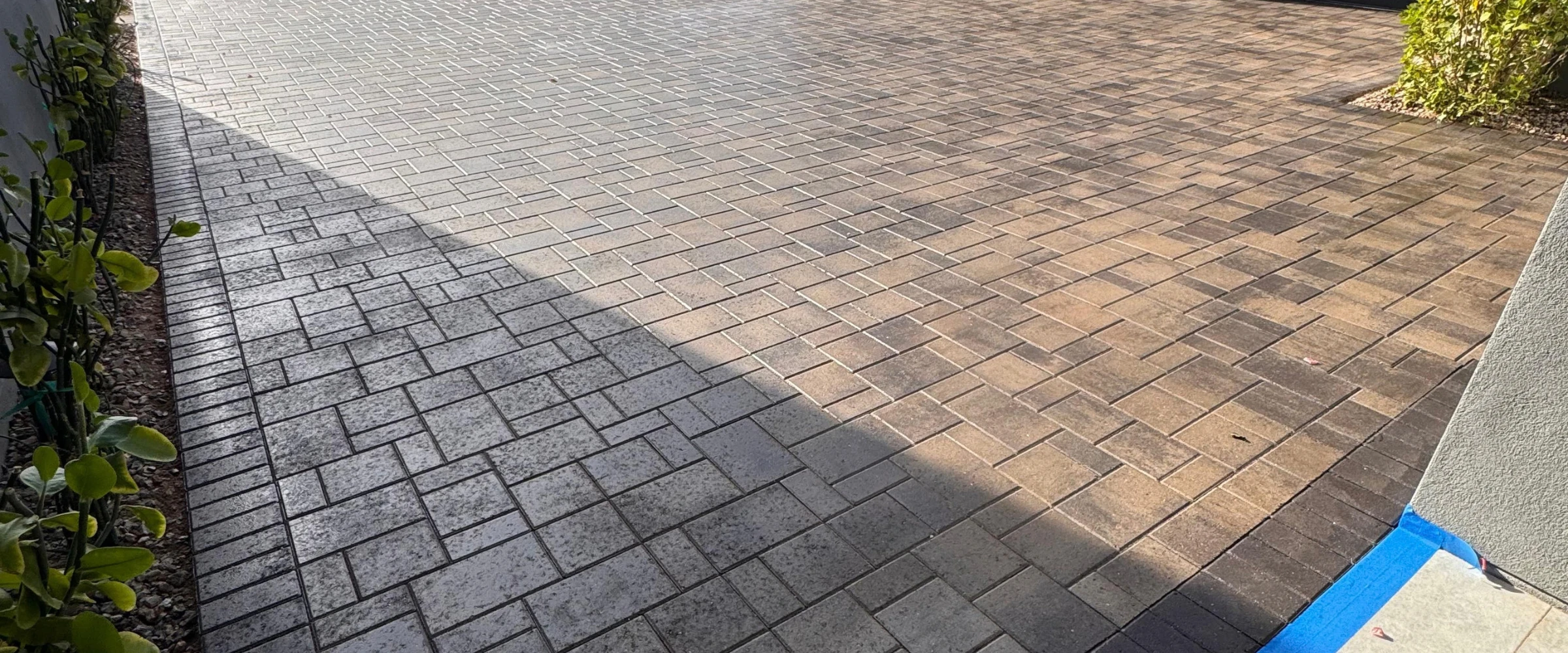
The Arizona climate creates unique challenges for exterior surfaces. Long periods of strong sunlight can gradually affect the appearance of pavers, especially in areas that receive direct exposure throughout most of the day.
UV exposure may contribute to:
Fading or reduced color depth
A more weathered appearance
Changes in how stains appear on the surface
Faster breakdown of some protective coatings
Pavers themselves are designed to handle outdoor conditions, but the surface appearance can change over time. A sealed surface may also begin to look different as the protective coating wears, depending on the type of sealer that was previously applied.
The amount of impact depends on several factors, including the paver material, installation conditions, traffic levels, landscaping around the area, and how the surface has been maintained.
Does Arizona Heat Mean You Need To Reseal Every Year?
Not necessarily.
One of the most common mistakes homeowners make is assuming there is one universal resealing schedule for every paver surface. In reality, resealing timing depends on the condition of your pavers and the type of coating previously applied.
Some surfaces may need attention sooner because they experience:
Heavy vehicle traffic
Frequent foot traffic
Poolside exposure
Direct afternoon sun
Regular staining from outdoor use
Previous sealer failure or uneven wear
Other surfaces may continue looking good for longer with proper care.
Instead of relying only on the calendar, look for signs that the existing sealer may no longer be performing as expected.
Signs Your Pavers May Be Ready For Resealing
A visual inspection can help you determine whether your pavers may need professional evaluation. Common signs include changes in appearance or surface behavior.
The Color Looks More Faded Than Before
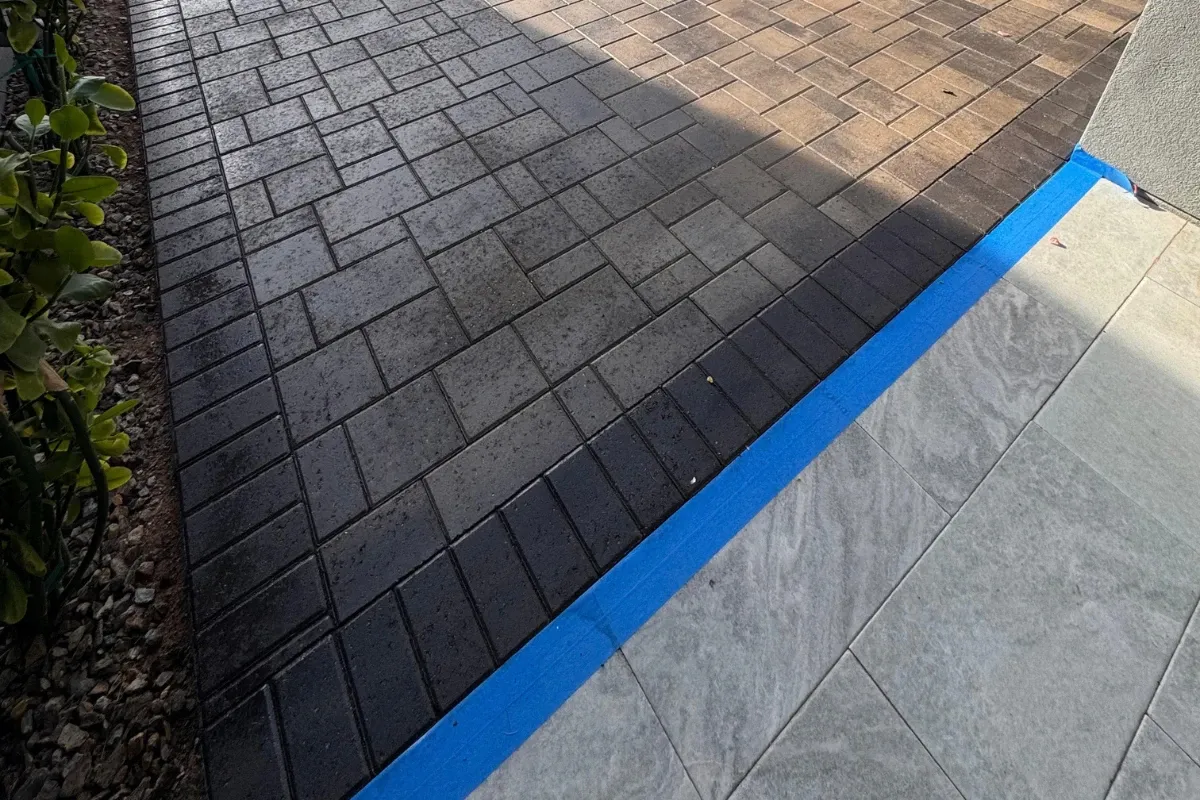
Many homeowners notice that their pavers do not have the same depth of color they had after installation or after a previous sealing project. This does not always mean the pavers are damaged, but it may indicate that the previous finish has worn down.
Water No Longer Reacts The Same Way
A sealed surface may change how water sits on the pavers. If the surface no longer responds the way it did when the sealer was newer, it may be worth having the condition evaluated.
The Surface Looks Uneven Or Worn
Areas exposed to more traffic, sunlight, or weather may show wear differently. Driveway areas, walkways, and frequently used patio spaces often age at different rates.
Previous Sealer Is Failing
If an old coating is peeling, appearing inconsistent, or creating an uneven look, additional preparation may be needed before applying another product. Not every resealing project requires sealer removal, but existing coatings should be considered before new materials are applied.
Why Paver Condition Matters Before Resealing
Applying sealer is not simply about adding a protective layer over the surface. Proper preparation plays a major role in how the finished project looks and performs.
Before resealing, important factors include:
The type of paver material
Existing stains or discoloration
Condition of previous sealer
Surface cleanliness
Joint condition
Desired appearance
For example, concrete pavers, brick pavers, and natural stone surfaces can respond differently to cleaning and sealing products. Travertine and other natural stones require additional consideration because their porosity and surface characteristics vary.
A surface evaluation helps determine whether resealing is appropriate or whether another step should come first.
Cleaning Before Sealing: Why Preparation Changes The Result
A clean surface is an important part of any paver sealing project. Dirt, organic buildup, surface residue, and existing discoloration can affect the final appearance if they are not properly addressed before sealing.
Professional preparation may involve evaluating:
General surface buildup
Existing stains
Areas with uneven appearance
Joint areas between pavers
Previous coatings
The goal is not simply to cover imperfections. Proper preparation helps create a better surface for the sealer application and allows homeowners to have more realistic expectations about the finished result.
For homeowners considering paver sealing in Avondale, evaluating the current condition of the surface is an important first step before deciding what type of maintenance is needed.
Choosing The Right Sealer For Arizona Pavers
There is no single sealer that is ideal for every paver surface. The right option depends on the material, the existing condition of the pavers, and the appearance you want to achieve.
Common categories of paver sealers include:
Natural-Look Sealers
These are designed to maintain a more original appearance with less visible change to the surface.
Color-Enhancing Sealers
These products may create a richer appearance by making existing colors look deeper or more noticeable.
Film-Forming Sealers
These create a protective layer on the surface and may provide a different visual finish depending on the product.
The choice between finishes should be based on the surface, compatibility, and homeowner expectations rather than appearance alone. A glossy or darker finish does not automatically mean a surface will perform better.
What Avondale Homeowners Should Consider Before Resealing
Before scheduling a resealing project, consider a few questions:
How old is the current sealer?
Knowing whether a surface was sealed recently or several years ago can help determine what preparation may be needed.
What type of pavers do you have?
Concrete pavers, brick pavers, and natural stone may require different approaches.
Has the surface changed recently?
New fading, staining, or uneven appearance may indicate that the surface needs attention.
What result are you expecting?
Some homeowners want color enhancement, while others prefer maintaining a more natural look.
Are there deeper surface issues?
Cleaning and sealing can improve appearance and protect surfaces, but they do not repair problems such as major settlement, failed base materials, or structural movement.
How Long Does Paver Sealing Usually Last In Arizona?
The lifespan of a sealed paver surface depends on more than the Arizona sun alone. UV exposure is one factor, but the type of sealer, surface preparation, paver material, weather exposure, and how the area is used all influence how long the finish continues to look its best.
A driveway used every day may show wear differently than a decorative patio with limited foot traffic. A shaded area may age differently from a pool deck that receives direct sunlight for most of the year.
Instead of waiting for a specific number of years, homeowners should monitor the surface for changes such as:
Reduced color enhancement
A different surface appearance compared with surrounding areas
Increased difficulty keeping the surface clean
Visible wear in high-use sections
Changes in the existing coating
Regular observation can help you address maintenance before the surface becomes harder to prepare.
Seasonal Timing Matters For Paver Resealing
Arizona weather can affect when a sealing project should be completed. Sealer application requires suitable surface conditions, including a properly prepared and dry surface.
Factors that may influence timing include:
Recent rainfall
Surface temperature
Direct sunlight exposure during application
Drying conditions
Existing moisture in the pavers
The goal is not simply to apply sealer during the hottest part of the year. Proper preparation and suitable conditions help create a better outcome.
For many homeowners, planning ahead before peak outdoor-use seasons can make it easier to address maintenance before patios, walkways, and pool areas receive heavier activity.
Paver Sealing Does Not Replace Proper Maintenance
A sealed surface can make routine care easier, but it does not mean pavers become maintenance-free.
Simple maintenance habits can help preserve the appearance of outdoor surfaces:
Remove leaves and debris regularly
Address spills when possible
Avoid allowing organic buildup to remain for long periods
Watch for changes in joint areas
Pay attention to areas with heavy traffic
The right maintenance approach depends on the type of paver and how the space is used. A pool deck, driveway, and backyard patio may all require different levels of attention.
Common Resealing Mistakes Homeowners Should Avoid
Many paver problems come from rushing the preparation process or assuming every surface can be treated the same way.
Applying New Sealer Over An Unsuitable Surface
Sealer is not designed to hide every surface issue. Existing dirt, incompatible coatings, or certain stains may affect the final appearance.
Choosing A Finish Based Only On Appearance
A darker or shinier finish may look appealing in photos, but the best choice depends on the paver material, existing surface condition, and the look you want for your property.
Ignoring The Condition Of The Joints
The spaces between pavers are part of the overall system. Joint sand condition, movement, and surface stability should be considered during maintenance planning.
Expecting Sealing To Fix Structural Problems
Sealing can help with surface protection and appearance, but it cannot correct issues such as:
Sinking pavers
Major settling
Drainage problems
Failed base materials
Those situations require a different type of repair approach.
Helpful Resources For Comparing Paver Materials And Sealers
Homeowners researching paver care can find useful technical information from manufacturers and industry organizations. These resources can help explain material characteristics, installation considerations, and maintenance recommendations.
Concrete Masonry & Hardscapes Association (CMHA) provides educational information related to manufactured concrete products, hardscape materials, and industry practices.
Belgard offers information about concrete pavers, outdoor living products, and material options homeowners may encounter when planning hardscape projects.
Unilock provides information about paver materials, outdoor applications, and design considerations for residential hardscapes.
Techniseal offers information about products related to paver maintenance, joint stabilization, and surface protection.
These resources can help homeowners better understand available materials and product categories. Product compatibility should always be confirmed based on the specific paver surface and manufacturer instructions.
Frequently Asked Questions About Paver Sealing In Avondale
How often should I seal my pavers in Arizona?
The timing for paver sealing depends on the type of pavers, the previous paver sealer used, sun exposure, traffic, and how well the surface has been maintained. Arizona UV rays, heat, and outdoor conditions can cause unprotected pavers to fade or lose their original appearance over time.
Many homeowners reseal their concrete pavers, brick pavers, or other paver surfaces when they notice fading, stains, reduced protection, or changes in the way water sits on the surface. A professional inspection can help determine when your pavers need sealing instead of relying only on a set schedule.
What are the benefits of sealing my paver patio or driveway?
Sealing brick pavers, concrete pavers, and other outdoor surfaces can help improve appearance and provide added protection against everyday wear. A quality sealant can help protect against dirt, stains, oil stains, weather exposure, and moisture.
A properly applied paver sealer may also help enhance color, improve durability, and provide long-lasting protection for areas such as paver patios, paver driveways, walkways, and pool decks. The right sealer depends on the surface type, including concrete, brick surfaces, travertine, or other natural stone materials.
Will paver sealing prevent weed growth between pavers?
Paver sealing can help reduce problems related to weed growth, but it does not completely eliminate weeds on its own. Proper preparation is important before sealing, especially when dealing with old joint sand or damaged areas.
During the prep process, existing weeds, dirt, and loose sand should be addressed. In some cases, replacing old sand with polymeric sand can help stabilize the joints and support efforts to prevent weed growth between pavers.
Does sealing make pavers slippery?
Some homeowners worry that sealed pavers are slippery, especially around pool decks or wet areas. The slipperiness depends on the type of sealer, surface texture, and finish selected.
A gloss sealer or certain film-forming sealers can create a smoother appearance, while some surfaces may benefit from a more natural-looking finish. A professional can recommend the right option based on your specific project, whether you need sealing for a patio, walkway, driveway, or other outdoor surface.
What type of sealer is best for concrete pavers and brick surfaces?
The best sealer depends on the material, condition, and appearance you want to achieve. Some homeowners prefer a natural look, while others choose a wet look or color-enhancing finish.
Common options include acrylic sealers, water-based sealers, and other protective coatings. Some products provide a gloss finish, while others are designed for a more natural appearance. Factors such as surface porosity, existing coatings, and the desired level of protection should be considered before choosing a concrete sealer.
How is the paver sealing process completed?
A successful sealing project starts with proper preparation. The surface should be cleaned to remove dirt, stains, oil stains, and other buildup before applying any sealant.
The prep process may include cleaning, repairing cracks, checking joint sand, and allowing the pavers to dry completely. Depending on the surface and product used, the sealer may be applied with a pump sprayer, airless sprayer, roller, or brush.
Many projects require multiple coats, such as a first coat followed by a second coat, to achieve proper coverage and maximum penetration. The exact number of coats can vary depending on the paver material and condition.
Can old or stained pavers be restored before sealing?
Yes, many older paver surfaces can be improved with proper cleaning and restoration before sealing. Dirt, stains, efflorescence, faded color, and surface buildup can affect the appearance of your patio, driveway, or walkways.
A professional restoration process may include deep cleaning, stain treatment, joint sand evaluation, and preparing the surface for new sealer. However, sealing is not designed to repair major structural problems such as large cracks, movement, or damaged installation areas.
How long does paver sealing last?
The durability of a sealed surface depends on several factors, including the type of sealer, installation quality, weather exposure, traffic levels, and regular maintenance.
Areas with high traffic, such as driveways and frequently used patios, may need attention sooner than areas with less activity. Proper cleaning, avoiding harsh chemicals, and choosing the right sealant can help extend the life of your paver protection.
A professional expert team can evaluate your surfaces and recommend the right maintenance plan to help keep your pavers looking great for years.
Protect Your Pavers With A Surface Plan That Fits Your Home
Arizona sun can gradually change the appearance of outdoor paver surfaces, but resealing decisions should be based on the actual condition of your pavers rather than a simple calendar reminder.
At Super Paver Clean and Seal, we help homeowners evaluate their outdoor surfaces and determine the right next step based on the condition of the pavers, existing coatings, and desired results.
If your driveway, patio, walkway, or pool area is showing signs of fading or surface wear, call (602) 346-9897 or reach out through our Contact Us page to discuss your paver maintenance needs.
For homeowners looking into professional paver sealing in Avondale, understanding the condition of your surface is the first step toward choosing the right approach.