Pool Deck Pavers Cleaning and Sealing in Phoenix
Your pool deck takes more abuse than almost any other outdoor surface on your property. Phoenix sun, pool water, chlorine, salt, hard water, sunscreen, foot traffic, monsoon dust, and constant moisture all beat down on the pavers every single week. We clean, restore, re-sand, and seal pool deck pavers so they look better, feel cleaner under bare feet, and stay protected in Arizona’s harsh climate.
Same-day service available
Licensed, bonded & insured
Locally owned in Maricopa County
Why Pool Deck Pavers Need a Different Kind of Care
Pool water leaves behind more than just moisture
Every splash brings chlorine, salt, minerals, and hard water onto the surface. Over time, those deposits leave white haze, chalky buildup, stains, and rough patches that make your pool deck look older than it really is.
Phoenix sun breaks down unprotected pavers fast
Pool decks get hit with direct UV all day, especially in open backyards with little shade. Without the right sealer, color fades, surfaces dry out, and the pavers become more vulnerable to staining, erosion, and weathering.
Slip resistance matters more around a pool
A glossy finish might look good in photos, but around a pool, it can be a bad idea. Pool deck pavers need protection without turning the surface slick. The right sealer should protect the pavers while keeping the surface safe for wet feet.
Joint sand washes out faster near pools
Water from swimming, cleaning, rain, and pool overflow slowly strips sand from the joints. Once the joints open up, weeds grow, ants move in, pavers shift, and the whole surface starts to look neglected.
Cheap sealers can trap moisture
Pool decks are exposed to moisture constantly. If the wrong
sealer is used, especially a heavy film-forming sealer, moisture can get trapped under the
surface and cause whitening, hazing, peeling, or cloudy spots.
The surface needs to stay comfortable and natural
Pool deck pavers should not look fake, plasticky, or overly glossy. They should look clean, rich, natural, and well maintained. We protect the surface while keeping the pool area looking like a pool area, not a showroom floor.
If your pool deck looks faded, chalky, stained, sandy, or tired, it probably does not need to be replaced. It needs the right cleaning, joint sand, and sealer.
How We Restore Pool Deck Pavers
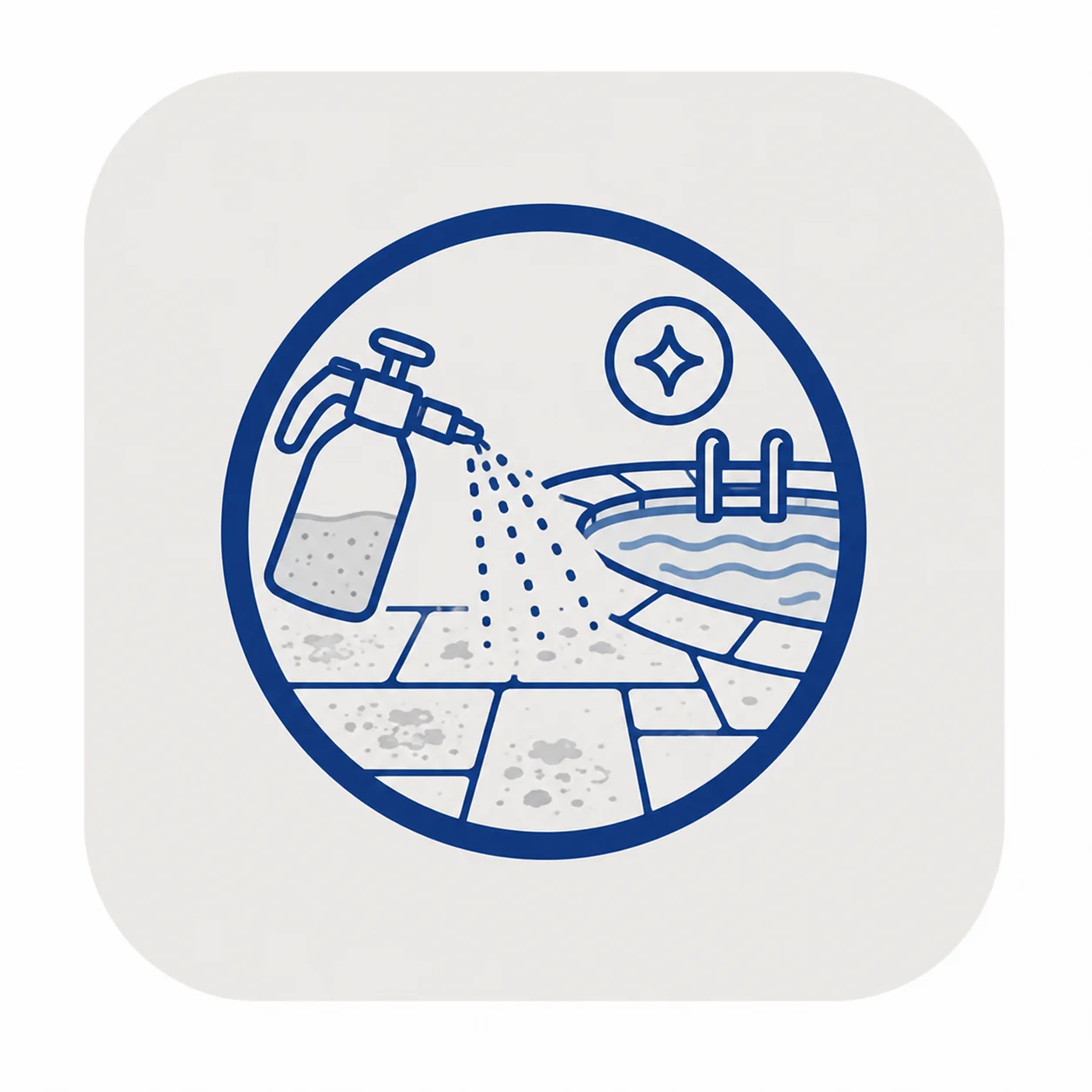
Pre-treatment for pool-related buildup.
Pool decks collect chlorine residue, salt deposits, hard water stains, sunscreen oils, organic growth, dirt, and dust. We pre-treat the surface based on what is actually there, not with a one-size-fits-all chemical wash.
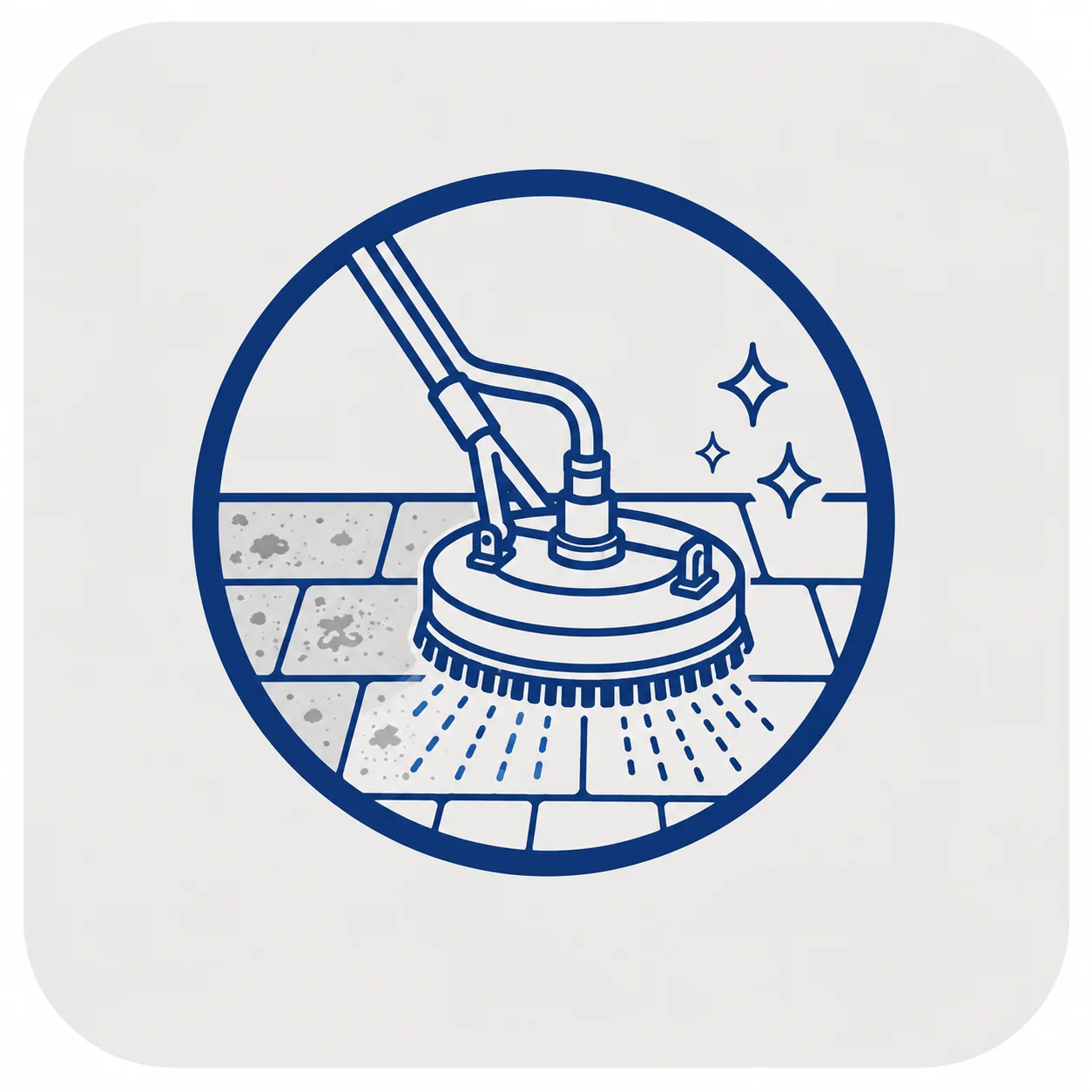
Commercial-grade rotary surface cleaning.
We use professional rotary cleaning equipment to clean evenly across the pool deck. This helps remove buildup without leaving wand marks, zebra stripes, or damaged areas from uneven pressure.
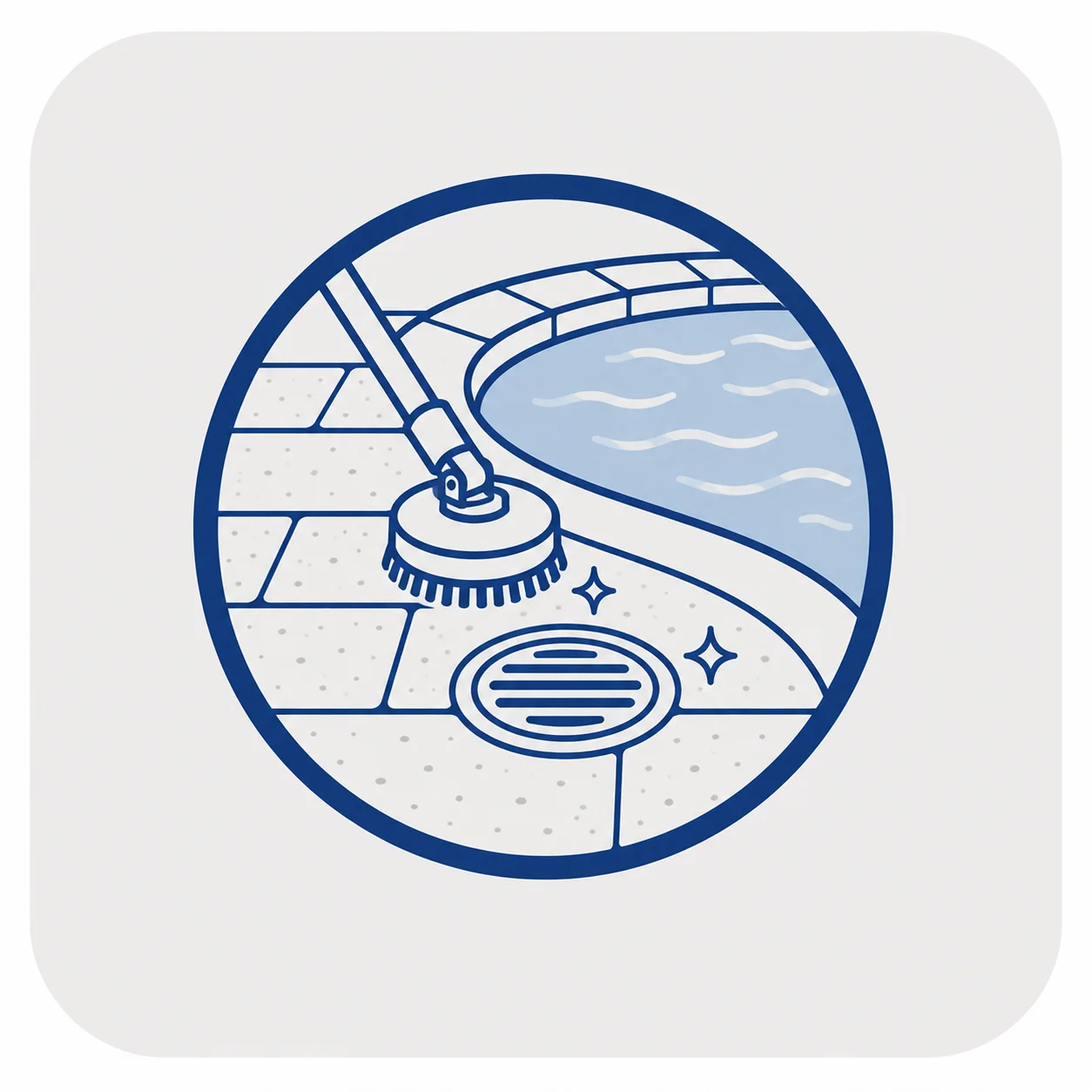
Careful cleaning around pool edges and drains.
Pool areas need extra care. We clean around coping, drains, corners, furniture areas, and edges without blasting water where it should not go or damaging surrounding features.
What Service Do Your Pool Deck Pavers Need?
Pool Deck Paver Cleaning
A professional cleaning removes dirt, hard water buildup, salt residue, chlorine stains, organic growth, and years of desert dust from your pool deck pavers. Great if the surface looks dirty but does not need full sealing yet.

Brick Paver Sealing
Protect your pool deck from UV damage, pool water, stains, fading, and joint erosion. Includes cleaning, drying verification, sealer application, and joint sand replacement where needed.
Complete Brick Paver Restoration (Most Popular)
Our full clean, re-sand, and seal package. Best for pool decks that look faded, chalky, stained, sandy, or neglected. We restore the look and protect it for years.
Testimonials
What Our Maricopa County Clients Are Saying
Thank you once again Super Pavers, you guys did an awesome job driveway look good as new like the day I moved in.

Did an amazing job at my house! Best in service & prices in the business!

Start to finish Super Paver Sealing did great job on my renter property . Professional and experienced crew completed work without any hick-up. Thank you Super Paver Sealing.

What a great experience from start to finish. Wonderful team and great customer service through the entire process. Will definitely recommend to neighbors and friends.

This company does professional quality work. Very happy with the service and outcome. Highly recommend

Awesome job by the guys at Super Paver Sealing!! On time and professional from start to finish, I would recommend them to anybody.

FAQs
Frequently Asked Questions
Do pool deck pavers really need to be sealed?
Yes. Sealing your pavers helps protect the surface from UV rays, pool water, rust stains, oil stains, algae growth, and general wear. Around a pool area, pavers deal with a lot of water, sun, and foot traffic. The right sealer creates a protective barrier while helping the paver surface stay cleaner and easier to maintain.
Will paver sealing make my pool deck slippery?
The effect of sealing on slip resistance depends on the sealer, paver material, surface texture, and application method. We carefully select products suited to pool deck applications and consider available traction-enhancing options when appropriate. We'll discuss the recommended finish and product specifications before starting your project.
How long do pavers need to dry before sealing?
The pavers need to dry completely before the sealing process begins. Even if the surface looks dry, moisture can still be trapped in the joint sand or under the pavers. Sealing too soon can cause cloudy spots, drip marks, or further damage. That is why drying time is one of the most important parts of cleaning and sealing.
Can you replace the sand between my pool deck pavers?
Yes. If the joint sand has washed out, we can add fresh sand or polymeric sand before sealing. This helps keep the pavers more stable, reduces weed growth, and gives the entire surface a cleaner look. Around pool decks, joint sand often wears down faster because of water, pressure washing, and regular use.
What stains can be removed from pool deck pavers?
Most common stains can be treated, including rust stains, oil stains, organic stains, mold, algae growth, dirt, and other debris. Some tough stains may need dedicated paver cleaners, rust remover, mild detergent, baking soda, or other cleaning methods depending on the material. The goal is to remove dirt and stains without damaging the pavers.
Can I clean my pool deck pavers myself with a pressure washer?
You can rinse pavers with a garden hose and clean small spots with a stiff brush, mild detergent, or a few drops of cleaner. But using a pressure washer the wrong way can remove joint sand, leave uneven marks, or damage the paver surface. For a full cleaning and sealing job, professional help is usually the safer choice.
What type of sealer is best for pool deck pavers?
For pool deck pavers, a breathable sealer is usually best. It allows moisture to escape while still helping prevent staining, fading, and water damage. Depending on the look you want, you can choose a natural appearance, matte finish, satin finish, wet look, or color-enhancing sealer. In sunny climates like Phoenix, UV-resistant paver sealer is very important.
How do I maintain my pool deck pavers after sealing?
Regular maintenance is simple. Rinse the pool deck with a garden hose, sweep away leaves and other debris, clean spills before they turn into stains, and avoid harsh chemicals unless the product is safe for pavers. Proper maintenance helps the sealer last longer and keeps your outdoor space looking clean, fresh, and ready to use.
Make Your Pool Deck Look Clean, Protected, and Ready to Enjoy
Your pool deck should feel like one of the best parts of your backyard, not a faded, chalky, sandy surface you keep ignoring. Whether your pavers need cleaning, sealing, joint sand replacement, or a full restoration, we will give you a free quote, schedule fast, and protect your pool deck the right way
Same-day service available. Licensed, bonded & insured. Locally owned in Maricopa County.
Did You Know?
Areas with heavy foot traffic or extreme weather may require more frequent resealing.
Water-based and solvent-based sealers both offer different benefits and application methods.
Breathable sealers help concrete pavers release trapped moisture properly.
Matte or low-gloss sealers help preserve the natural appearance of brick pavers.
Film-forming sealers create a protective surface barrier on pavers.
Non-film-forming sealers provide a more natural-looking finish.
Excessive standing water in shaded areas can encourage mold and algae growth.
Regular sealing helps protect pavers from stains caused by oil, food, and beverages.
Sealing also helps reduce damage from UV rays, weather exposure, mold, moss, and algae.
Paver sealers can deepen color and improve the overall appearance of the surface.
Proper sealing makes pavers easier to clean and maintain over time.
Professional cleaning removes embedded dirt, algae, and hard water mineral buildup.
Specialized cleaners may be needed for efflorescence and organic stains before sealing.
Pressure washing should stay around 1,200–1,500 PSI to avoid damaging pavers.
Polymeric sand helps stabilize pavers and reduce weed growth between joints.
Furniture, planters, and obstacles should be removed before cleaning and sealing.
Efflorescence is a white mineral salt buildup commonly found on Arizona pavers.
Deep cleaning often includes pressure washing or hot water cleaning for stubborn grime.
Pool deck pavers in Phoenix commonly collect hard water stains, algae, and chlorine residue.
Regular cleaning helps prevent discoloration and slippery surfaces around pools.
Pressure washers should be used carefully to avoid removing joint sand or damaging pavers.
Neutral cleaning solutions are safer for routine pool paver maintenance.
Dedicated paver cleaners are recommended for tougher stains and buildup.
Same-day quotes available. Licensed, bonded & insured. Locally owned in Maricopa County by Danny -25 years serving Phoenix, founder of Quick Response Home Services and Super Bin Wash.
Quick Links
Services
Surfaces
Contact Us
Phoenix, AZ
Other Services: Paver Pressure Washing • Driveway Paver Cleaning • Patio Paver Cleaning • Paver Cleaning Cost • Paver Resealing • Concrete Paver Sealing • Travertine Paver Sealing • Pool Deck Paver Sealing • Patio Paver Sealing • Driveway Paver Sealing • Brick Paver Sealing • Paver Sealing Cost • Paver Joint Sand Replacement • Polymeric Sand for Pavers • Paver Restoration • Paver Cleaning and Sealing Cost • Paver Resanding • Paver Cleaning vs. Cleaning and Sealing • Concrete Pressure Washing • Patio Pressure Washing • Pool Deck Pressure Washing • Driveway Pressure Washing • Travertine Cleaning and Sealing • Travertine Pool Deck Sealing • Pool Deck Cleaning and Sealing • Brick Paver Restoration • Brick Paver Pressure Washing • Concrete Paver Pressure Washing
© 2026 Super Paver Clean and Seal. All Rights Reserved.